Braces vs. Invisalign: Which Is Right for You?
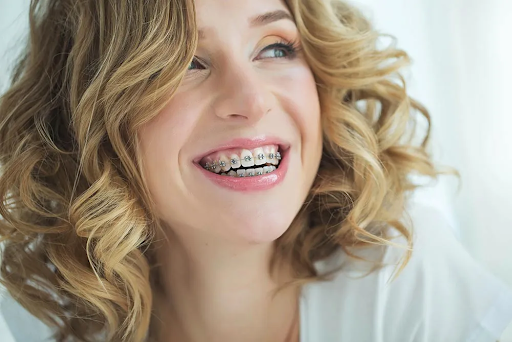
When it comes to braces vs Invisalign, there's no single right answer — but there is a right answer for your specific teeth, lifestyle, and budget. This is one of the most common conversations we have with new patients at our Anderson and Fortville offices, and the truth is that both options work very well when matched to the right case.
How Each One Works
Traditional braces use metal brackets bonded directly to your teeth, connected by a wire that your orthodontist adjusts at regular visits. The wire applies consistent pressure that gradually moves teeth into alignment. Because they're fixed — meaning you can't remove them — they work around the clock without requiring any effort from you.
Invisalign uses a series of custom-made, clear plastic trays, each designed to move your teeth a small amount at a time. You swap to a new tray every one to two weeks, visiting your orthodontist periodically to check progress. Because they're removable, you take them out to eat, drink, brush, and floss.
Both systems move teeth using controlled pressure over time. The difference is in how that pressure is applied, and what that means for your day-to-day life.
Braces vs Invisalign: Side-by-Side Comparison
Which Cases Are Better for Braces?
Braces tend to be the stronger choice for more complex orthodontic cases. If you have significant bite issues — a severe overbite, underbite, crossbite, or significant jaw misalignment — braces give your orthodontist more precise control over tooth movement. They also work better for cases involving rotated teeth or teeth that need to be moved vertically, which clear aligners can struggle with.
For younger patients, especially children in Phase 1 treatment or early teens, braces are often the more practical choice simply because compliance isn't a factor — they're always working, regardless of whether the patient remembers to put them back in.
Ceramic braces — which use tooth-colored brackets instead of metal — are worth mentioning here. They work exactly like metal braces but blend in much better, making them a popular middle ground for adults who need the precision of braces but prefer a less visible look.
Which Cases Are Better for Invisalign?
Invisalign tends to perform best for mild to moderate crowding, spacing issues, and minor bite corrections in teens and adults. If your case falls in that range, the outcomes with clear aligners are genuinely comparable to braces — and the lifestyle benefits (being able to eat whatever you want, brush normally, and go through daily life without visible hardware) make a real difference for a lot of people.
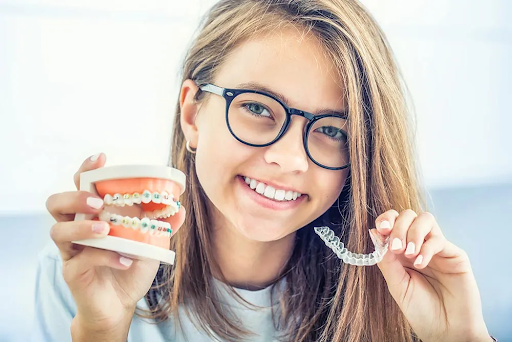
Adults and older teens who have the discipline to wear their trays 20–22 hours per day consistently tend to see excellent results and finish close to their original treatment timeline. If you travel frequently, are in a client-facing profession, or play a wind instrument, Invisalign is usually the more comfortable fit for your lifestyle.
The Compliance Question
This is probably the most important practical difference between the two options. Braces work whether you're thinking about them or not. Invisalign requires you to wear the trays nearly all day, every day — and when people don't, treatment gets extended, refinement trays get added, and the overall cost can go up.
We're honest about this with every patient. If you know yourself well enough to say that you'll consistently wear the trays, Invisalign is a genuinely great option. If you're uncertain or if you're making this decision for a younger teen, it's worth factoring in realistically.
Does One Cost More Than the Other?
For comparable cases, braces and Invisalign are often priced within a few hundred dollars of each other. The cost difference between the two is usually smaller than people expect — what moves the price more is the complexity and length of your treatment, not which appliance you choose. Both are typically covered under orthodontic insurance benefits in the same way.
What We Recommend at Bettagere Orthodontics
We don't have a preference between braces and Invisalign — our recommendation always comes from what your specific case needs and what fits your lifestyle. Some patients come in certain they want Invisalign and end up choosing braces once they understand the full picture. Others expect to need braces and are good candidates for clear aligners. A proper clinical exam and 3D scan tell us far more than any general guide can.
What we do recommend: don't make this decision based on aesthetics alone or based on what a friend had. Make it based on your bite, your compliance style, and an honest conversation with your orthodontist.
Conclusion
The braces vs Invisalign decision isn't about which option is objectively better — it's about which one is better for you. At Bettagere Orthodontics, Dr. Vidya Bettagere and our team take the time to look at your specific bite, talk through your lifestyle, and give you an honest recommendation based on what will actually get you the best result. Families across Anderson, Fortville, and Pendleton trust us to make that call carefully — and we take that seriously.
Are you unsure which option is right for you? Book a free consultation at our Anderson or Fortville office and walk away with a clear recommendation — no pressure, no guesswork.