Anderson:765-622-7646
Fortville:463-238-6784

Whether you are exploring treatment options for the first time, preparing for your child's first orthodontic visit, or looking for honest answers about costs and insurance — you will find clear, helpful information here. Every article is written with Anderson and Fortville families in mind, by Dr. Vidya Bettagere and the Bettagere Orthodontics team.
Our most-read treatment guides - everything you need before your first consultation.
After braces come off, the most common question patients ask is how long to wear retainer — and the honest answer is longer than most people expect. Once the pressure of braces or aligners is gone, teeth have a natural tendency to drift back toward where they came from. Retainers are the only thing that prevents it, and understanding how they work — and how long you'll actually need them — makes the difference between results that last a lifetime and results that gradually undo themselves.
Brackets break. Wires poke. Things come loose at the worst possible times. Dealing with an orthodontic emergency Anderson patients face can feel stressful — but most situations are far more manageable than they first appear. Most orthodontic "emergencies" are actually minor inconveniences that can be managed at home until your next appointment. A smaller number genuinely need same-day attention. Here's how to tell the difference, and what to do in each case.
For most patients, braces or clear aligners are all that's needed to correct alignment and achieve a healthy, functional bite. However, for a smaller group of patients — those with significant jaw discrepancies that exceed what orthodontic appliances alone can address surgical orthodontics jaw surgery, becomes part of the treatment plan. Understanding what this means, who it's for, and what the process looks like is the first step toward making an informed decision.
If your child's orthodontist has recommended Phase 1 orthodontics, your first question is probably: What exactly is Phase 1, and why does my child need it now instead of waiting until all their permanent teeth come in? Phase 1 orthodontics, also called early interceptive treatment, is a targeted, time-limited course of orthodontic care designed to address specific developmental problems while a child's jaw is still growing. It is not the same as full braces, and it doesn't mean your child will be in treatment forever.
Most adults who come to us have been considering orthodontic treatment for years — sometimes for decades. The reality is that adult braces in Anderson IN, are more accessible than most people expect, and at Bettagere Orthodontics, roughly one in four patients we currently treat are adults. The American Association of Orthodontists estimates the same nationally nearly one in four orthodontic patients today is an adult.
One of the first things patients ask after getting braces is what foods to avoid with braces and for good reason. The wrong foods can snap wires, pop brackets off teeth, and add months to your treatment timeline. The good news is that the list is shorter than most people expect, and once you know the reasoning behind each restriction, it's much easier to remember.
Knowing your first orthodontist visit what to expect removes the anxiety before you even walk in and the answer is simpler than most people think. Walking into any new healthcare appointment without knowing what's going to happen creates unnecessary stress. The good news is that a first orthodontic consultation is one of the more relaxed appointments in healthcare. No drilling, no discomfort, and you leave with real information rather than more questions.
Smile arc protection is one of the most important and most overlooked concepts in modern orthodontics. At Bettagere Orthodontics, smile arc protection orthodontics is built into every treatment plan we design, not added as an afterthought. Most patients have never heard the term before their first consultation with us. By the end of treatment, they understand exactly why it mattered.
Finding the best orthodontist Anderson IN families trust comes down to more than just proximity or price. The orthodontist you choose will be part of your life — or your child's life — for one to three years. That's a long time to be in a relationship with a provider, which means the decision deserves more thought than a quick Google search and picking whoever shows up first. Here's what actually matters, and how to think through it.
When it comes to braces vs Invisalign, there's no single right answer — but there is a right answer for your specific teeth, lifestyle, and budget. This is one of the most common conversations we have with new patients at our Anderson and Fortville offices, and the truth is that both options work very well when matched to the right case.
The American Association of Orthodontists recommends that every child see an orthodontist by age 7, and when to see orthodontist child evaluations is a question we get from parents almost every week at our Anderson and Fortville offices. Seven feels early, especially when a child still has a mouth full of baby teeth. But there's a reason behind the timing, and it's not about rushing anyone into braces.
Invisalign or braces is one of the questions we hear most often from patients and parents in Anderson, Fortville, and the communities around them. Both treatments can give you a straight, healthy smile.
Invisalign or braces is one of the questions we hear most often from patients and parents in Anderson, Fortville, and the communities around them. Both treatments can give you a straight, healthy smile.
Most people searching for Invisalign cost Anderson, IN, want one number: how much will this actually run me? The short answer is between $3,500 and $8,000, depending on how complex your case is and how long treatment takes. If you want to understand why your number might land on the lower or higher end of that range — and how it stacks up against traditional braces — here's everything we walk patients through during a consultation at our Anderson and Fortville offices.
Choosing orthodontic treatment is an important decision for improving your smile, oral health, and confidence. Many patients consider braces when they want to correct crooked teeth, bite concerns, or alignment issues while achieving long-term smile results.
Our most-read treatment guides - everything you need before your first consultation.
If your child's orthodontist has recommended Phase 1 orthodontics, your first question is probably: What exactly is Phase 1, and why does my child need it now instead of waiting until all their permanent teeth come in? Phase 1 orthodontics, also called early interceptive treatment, is a targeted, time-limited course of orthodontic care designed to address specific developmental problems while a child's jaw is still growing. It is not the same as full braces, and it doesn't mean your child will be in treatment forever.
Most adults who come to us have been considering orthodontic treatment for years — sometimes for decades. The reality is that adult braces in Anderson IN, are more accessible than most people expect, and at Bettagere Orthodontics, roughly one in four patients we currently treat are adults. The American Association of Orthodontists estimates the same nationally nearly one in four orthodontic patients today is an adult.
Knowing your first orthodontist visit what to expect removes the anxiety before you even walk in and the answer is simpler than most people think. Walking into any new healthcare appointment without knowing what's going to happen creates unnecessary stress. The good news is that a first orthodontic consultation is one of the more relaxed appointments in healthcare. No drilling, no discomfort, and you leave with real information rather than more questions.
The American Association of Orthodontists recommends that every child see an orthodontist by age 7, and when to see orthodontist child evaluations is a question we get from parents almost every week at our Anderson and Fortville offices. Seven feels early, especially when a child still has a mouth full of baby teeth. But there's a reason behind the timing, and it's not about rushing anyone into braces.
Our most-read treatment guides - everything you need before your first consultation.
Brackets break. Wires poke. Things come loose at the worst possible times. Dealing with an orthodontic emergency Anderson patients face can feel stressful — but most situations are far more manageable than they first appear. Most orthodontic "emergencies" are actually minor inconveniences that can be managed at home until your next appointment. A smaller number genuinely need same-day attention. Here's how to tell the difference, and what to do in each case.
For most patients, braces or clear aligners are all that's needed to correct alignment and achieve a healthy, functional bite. However, for a smaller group of patients — those with significant jaw discrepancies that exceed what orthodontic appliances alone can address surgical orthodontics jaw surgery, becomes part of the treatment plan. Understanding what this means, who it's for, and what the process looks like is the first step toward making an informed decision.
One of the first things patients ask after getting braces is what foods to avoid with braces and for good reason. The wrong foods can snap wires, pop brackets off teeth, and add months to your treatment timeline. The good news is that the list is shorter than most people expect, and once you know the reasoning behind each restriction, it's much easier to remember.
When it comes to braces vs Invisalign, there's no single right answer — but there is a right answer for your specific teeth, lifestyle, and budget. This is one of the most common conversations we have with new patients at our Anderson and Fortville offices, and the truth is that both options work very well when matched to the right case.
Invisalign or braces is one of the questions we hear most often from patients and parents in Anderson, Fortville, and the communities around them. Both treatments can give you a straight, healthy smile.
Invisalign or braces is one of the questions we hear most often from patients and parents in Anderson, Fortville, and the communities around them. Both treatments can give you a straight, healthy smile.
Most people searching for Invisalign cost Anderson, IN, want one number: how much will this actually run me? The short answer is between $3,500 and $8,000, depending on how complex your case is and how long treatment takes. If you want to understand why your number might land on the lower or higher end of that range — and how it stacks up against traditional braces — here's everything we walk patients through during a consultation at our Anderson and Fortville offices.
Choosing orthodontic treatment is an important decision for improving your smile, oral health, and confidence. Many patients consider braces when they want to correct crooked teeth, bite concerns, or alignment issues while achieving long-term smile results.
Our most-read treatment guides - everything you need before your first consultation.
After braces come off, the most common question patients ask is how long to wear retainer — and the honest answer is longer than most people expect. Once the pressure of braces or aligners is gone, teeth have a natural tendency to drift back toward where they came from. Retainers are the only thing that prevents it, and understanding how they work — and how long you'll actually need them — makes the difference between results that last a lifetime and results that gradually undo themselves.
Smile arc protection is one of the most important and most overlooked concepts in modern orthodontics. At Bettagere Orthodontics, smile arc protection orthodontics is built into every treatment plan we design, not added as an afterthought. Most patients have never heard the term before their first consultation with us. By the end of treatment, they understand exactly why it mattered.
Finding the best orthodontist Anderson IN families trust comes down to more than just proximity or price. The orthodontist you choose will be part of your life — or your child's life — for one to three years. That's a long time to be in a relationship with a provider, which means the decision deserves more thought than a quick Google search and picking whoever shows up first. Here's what actually matters, and how to think through it.
Written by Dr. Bettagere to help you make confident orthodontic decisions.
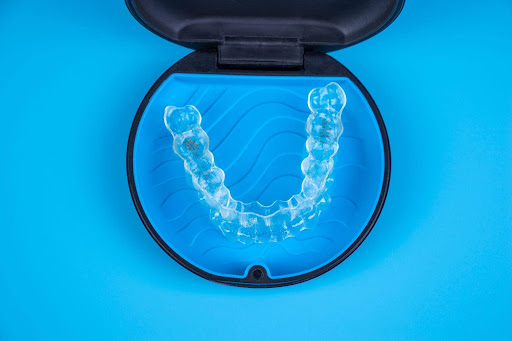
Most people searching for Invisalign cost Anderson, IN, want one number: how much will this actually run me? The short answer is between $3,500 and $8,000, depending on how complex your case is and how long treatment takes. If you want to understand why your number might land on the lower or higher end of that range — and how it stacks up against traditional braces — here's everything we walk patients through during a consultation at our Anderson and Fortville offices.

Invisalign or braces is one of the questions we hear most often from patients and parents in Anderson, Fortville, and the communities around them. Both treatments can give you a straight, healthy smile.

The American Association of Orthodontists recommends that every child see an orthodontist by age 7, and when to see orthodontist child evaluations is a question we get from parents almost every week at our Anderson and Fortville offices. Seven feels early, especially when a child still has a mouth full of baby teeth. But there's a reason behind the timing, and it's not about rushing anyone into braces.
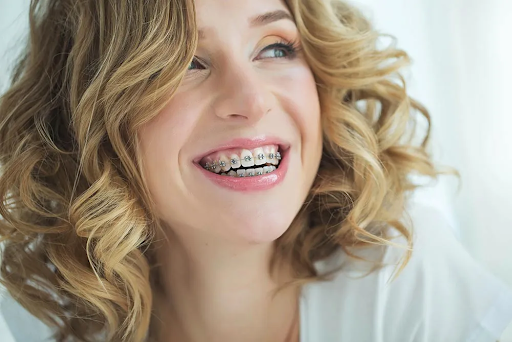
When it comes to braces vs Invisalign, there's no single right answer — but there is a right answer for your specific teeth, lifestyle, and budget. This is one of the most common conversations we have with new patients at our Anderson and Fortville offices, and the truth is that both options work very well when matched to the right case.
Join families from Anderson, Fortville, Pendleton, and across the area who receive Dr. Bettagere's latest guides, seasonal reminders, and patient tips straight to their inbox. No spam — just genuinely helpful information.
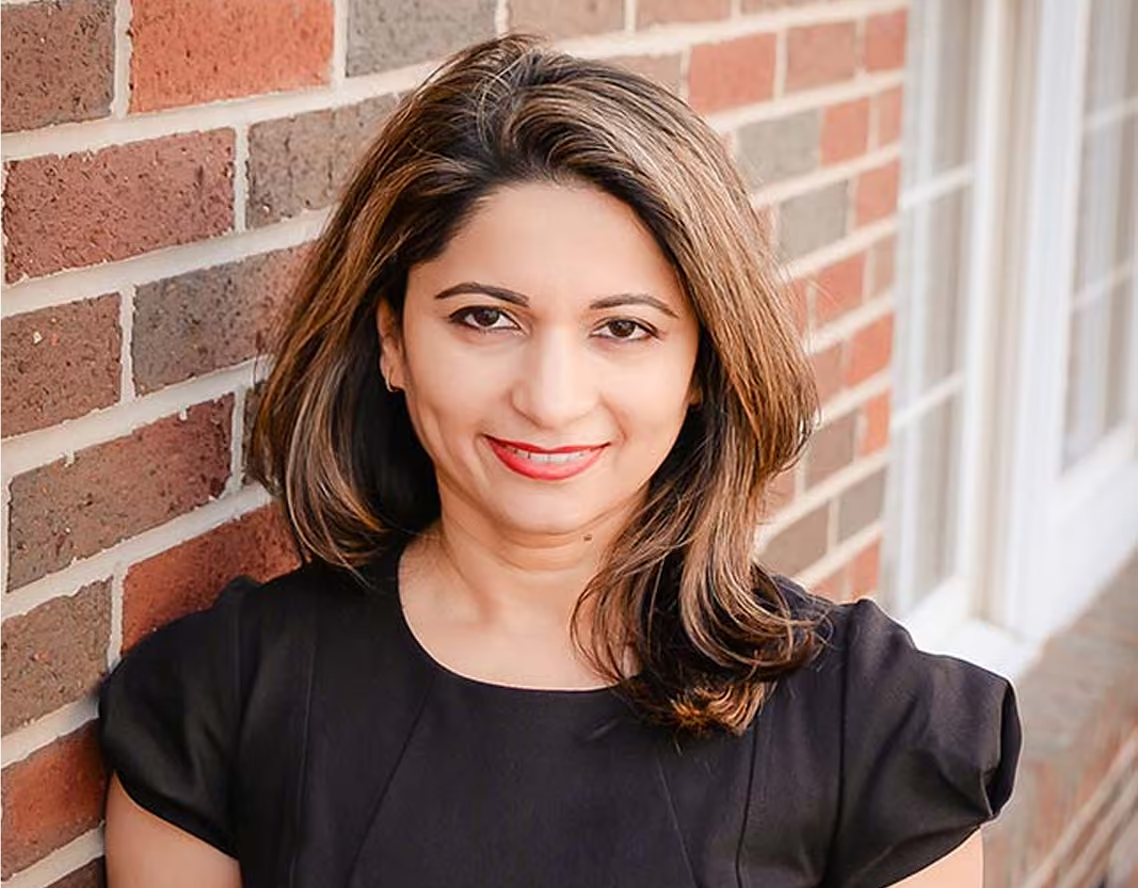
Dr. Vidya Bettagere, DDS, MSD is an ABO board-certified orthodontist and Diplomate of the American Board of Orthodontics. Trained at Indiana University School of Dentistry, she has been serving patients in Anderson, Fortville, and the surrounding Indiana communities for over a decade. All clinical content on this blog is written or reviewed by Dr. Bettagere. → Learn more about Dr. Bettagere
Our team is happy to answer your orthodontic questions — in person, by phone, or online. Book a free consultation at our Anderson or Fortville office and get personalised answers directly from Dr. Bettagere. No referral needed, and no obligation to start treatment.
Book a Free Consultation