
Retainers 101: Types, Care, and How Long You'll Wear Them
Why Retainers Are Non-Negotiable
Orthodontic treatment moves teeth through bone by applying sustained pressure over time. When that pressure is removed, when braces come off, or you finish your last Invisalign tray the bone around your teeth is still remodeling and solidifying. During this period, and to varying degrees for the rest of your life, teeth have a natural tendency to drift back toward where they came from. This is called relapse, and retainers are the only thing that prevents it.
The patients who end up retreating as adults who come back to us in their 30s asking why their teeth have shifte almost universally stopped wearing their retainers. This isn't a lecture; it's just the reality of how teeth work. Understanding it upfront makes compliance feel less like a rule and more like protecting an investment.
Retainers 101: Types, Care, and How Long You'll Wear Them
After braces come off, the most common question patients ask is how long to wear retainer — and the honest answer is longer than most people expect. Once the pressure of braces or aligners is gone, teeth have a natural tendency to drift back toward where they came from. Retainers are the only thing that prevents it, and understanding how they work — and how long you'll actually need them — makes the difference between results that last a lifetime and results that gradually undo themselves.
Why Retainers Are Non-Negotiable
Orthodontic treatment moves teeth through bone by applying sustained pressure over time. When that pressure is removed, when braces come off, or you finish your last Invisalign tray — the bone around your teeth is still remodeling and solidifying. During this period, and to varying degrees for the rest of your life, teeth have a natural tendency to drift back toward where they came from. This is called relapse, and retainers are the only thing that prevents it.
The patients who end up retreating as adults — who come back to us in their 30s asking why their teeth have shifted — almost universally stopped wearing their retainers. This isn't a lecture; it's just the reality of how teeth work. Understanding it upfront makes compliance feel less like a rule and more like protecting an investment.
Types of Retainers
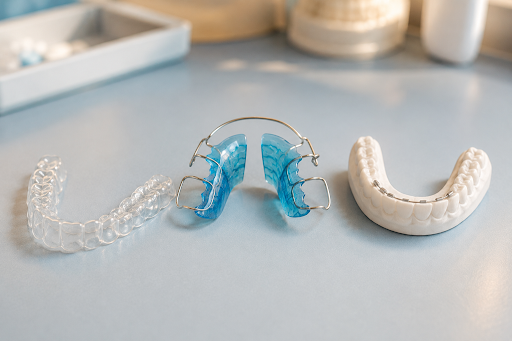
There are three main types of retainers, and the right one for you depends on your case, your lifestyle, and your orthodontist's recommendation.
Vivera retainers are clear plastic retainers made by Align Technology — the same company that makes Invisalign. They're custom-fit, nearly invisible, and come in sets of four, so you always have replacements on hand. Vivera retainers are thicker and more durable than standard clear retainers, which means they last longer before needing replacement. They're our most commonly recommended removable retainer at Bettagere Orthodontics.
Hawley retainers are the traditional wire-and-acrylic retainers most people picture when they think of a retainer. A thin wire runs across the front teeth, held in place by an acrylic plate that sits against the roof of the mouth or behind the lower teeth. Hawley retainers are adjustable, durable, and can last for years with proper care. Some patients prefer them because they're easier to clean than clear retainers.
Fixed (bonded) retainers are thin wires bonded directly to the back of the teeth — typically the lower front teeth — and are completely invisible from the outside. They're always working because they're always in place. Fixed retainers are often recommended for patients with significant crowding who are at higher risk of relapse, or as a complement to a removable retainer. The tradeoff is that they require more careful cleaning around the wire, similar to flossing with braces.
How Long to Wear Retainer After Treatment
This is the question every patient asks. Here's the honest answer:
For the first 6 to 12 months after treatment ends: wear your retainer full-time — 20 to 22 hours per day — except when eating and brushing. This is the highest-risk period for relapse because the bone around your teeth hasn't fully stabilised yet.
After the first year: most patients transition to nighttime-only wear retainer every night while you sleep. This is typically where most people land for the long term.
Long term: indefinitely. We know that's not what most patients want to hear, but it's the truth. Teeth continue to have some natural drift throughout life, and nightly retainer wear is the most reliable way to maintain your results over decades. Patients who stop wearing retainers entirely — even years after treatment — often notice gradual shifting.
The practical takeaway: get into the habit early. Nightly retainer wear eventually becomes as automatic as brushing your teeth. Patients who make it a true habit rarely have compliance issues.
Retainer Care and Maintenance
Removable retainers:
- Rinse with cool water every time you take them out.
- Clean daily with a soft toothbrush and mild soap or retainer cleaning tablets — not toothpaste, which is abrasive and can scratch clear retainers
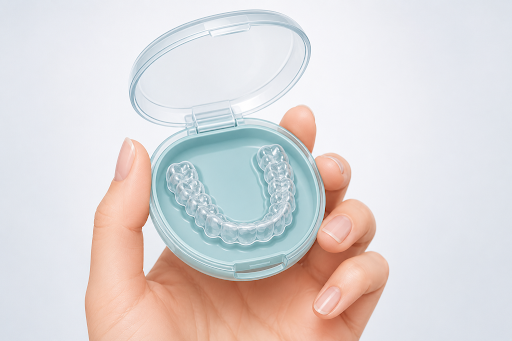
- Keep them in their case when not in your mouth — not wrapped in a napkin, not in your pocket, not on a restaurant table.
- Keep them away from heat, which warps plastic retainers.
- Replace when they show signs of wear, cracking, or no longer fit snugly.
Fixed retainers:
- Floss daily using a floss threader or water flosser to clean under the wire
- Have them checked at regular dental appointments — wires can debond from one or more teeth without you noticing
- Report any loosening immediately to our office
How Much Do Replacement Retainers Cost?
Retainers wear out, get lost, and occasionally get thrown away with lunch. Replacement retainers at Bettagere Orthodontics are available for patients whose treatment is complete. The cost varies by retainer type — Vivera retainers come in sets and are priced accordingly, while Hawley retainers are priced per arch. See our financial information page for current pricing or call our Anderson or Fortville office directly.
If you've lost or broken a retainer, don't wait to replace it. Even a few weeks without a retainer can allow measurable shifting, especially in the first few years after treatment.
Conclusion
Understanding how long to wear a retainer after treatment — and actually doing it — is what separates patients who keep their results for life from those who end up retreating years later. At Bettagere Orthodontics, we make retainer care part of every patient's education from the final appointment forward. Families across Anderson, Fortville, and Pendleton trust us to give them the full picture — including the parts that require commitment after the braces come off.